Certa-Lok® PVC Pipe Ensures Resilient Water Supply in Flood-Prone Plattsmouth

In the flood-vulnerable Missouri and Platte River valley, the City of Plattsmouth faced repeated disruptions to its water supply, with catastrophic 2019 floods rendering its riverside treatment plant unusable and leaving residents with unreliable, discolored water amid low pressure and conservation mandates. As FEMA demanded a resilient, long-term fix, the city sought a dependable pipeline solution capable of withstanding unstable soils, high groundwater, and surge pressures without risking leaks or failures.

Plattsmouth 1

Location

Plattsmouth , NE

Applications

Project Owner

Omaha Municipal Utilities District

Contractor

Valley Corp.

Engineer

Strand Associates

Market Segments

  • Municipal

Nominal Sizes

  • 06"
  • 08"
  • 16"
  • 20"

Challenge

Plattsmouth, Nebraska, a community of approximately 6,500 residents, is situated at the confluence of the Missouri and Platte Rivers, has long battled severe flooding that compromised its water infrastructure. The most devastating event occurred in 2019, when floods inundated the riverside water treatment plant, forcing its permanent decommissioning after years of recurring issues, including a 2011 flood that left the plant under eight feet of water and accessible only by boat. This led to ongoing problems for residents, such as discolored water, low pressure, unpleasant taste and odor, and mandatory conservation measures, placing a tremendous burden on the community.

FEMA mandated a flood-proof solution: an 8-mile transmission main to connect to the Metropolitan Utilities District’s (M.U.D.) South Platte plant for reliable Omaha-quality water. However, the project route presented significant hurdles. The alignment traversed highly unstable sandy loam soils with a high groundwater table, low cohesion, and frequent shifting due to heavy spring rains, freeze-thaw cycles, and corrosive conditions in the temperate continental climate. These factors routinely caused joint separation and leaks in traditional materials like bell-and-spigot gasketed PVC and ductile iron (DI), as both materials are prone to axial thrust failures during surges or settlement.

Operational demands added complexity, with the line needing to handle average daily use of 1.0 MGD, peak day demand of 2.7 MGD, a 20-year design peak of 3.0 MGD, and ultimate peak of 4.0 MGD, all within a pressure range of 20 to 140 psi. Any joint failure would be catastrophic on this high-stakes transmission main. Alternatives like high-density polyethylene (HDPE) struggle with significantly lower pipe stiffness than PVC, making it harder to maintain precise grade and alignment in sandy trenches without excessive deflection, sagging, or reliance on perfect bedding/compaction, while DI's weight increased installation challenges and costs. Regulatory requirements for resilience, combined with a $23.5M budget, underscored the need for a material that could deliver leak-free performance without extending the aggressive 22-month timeline.

Application

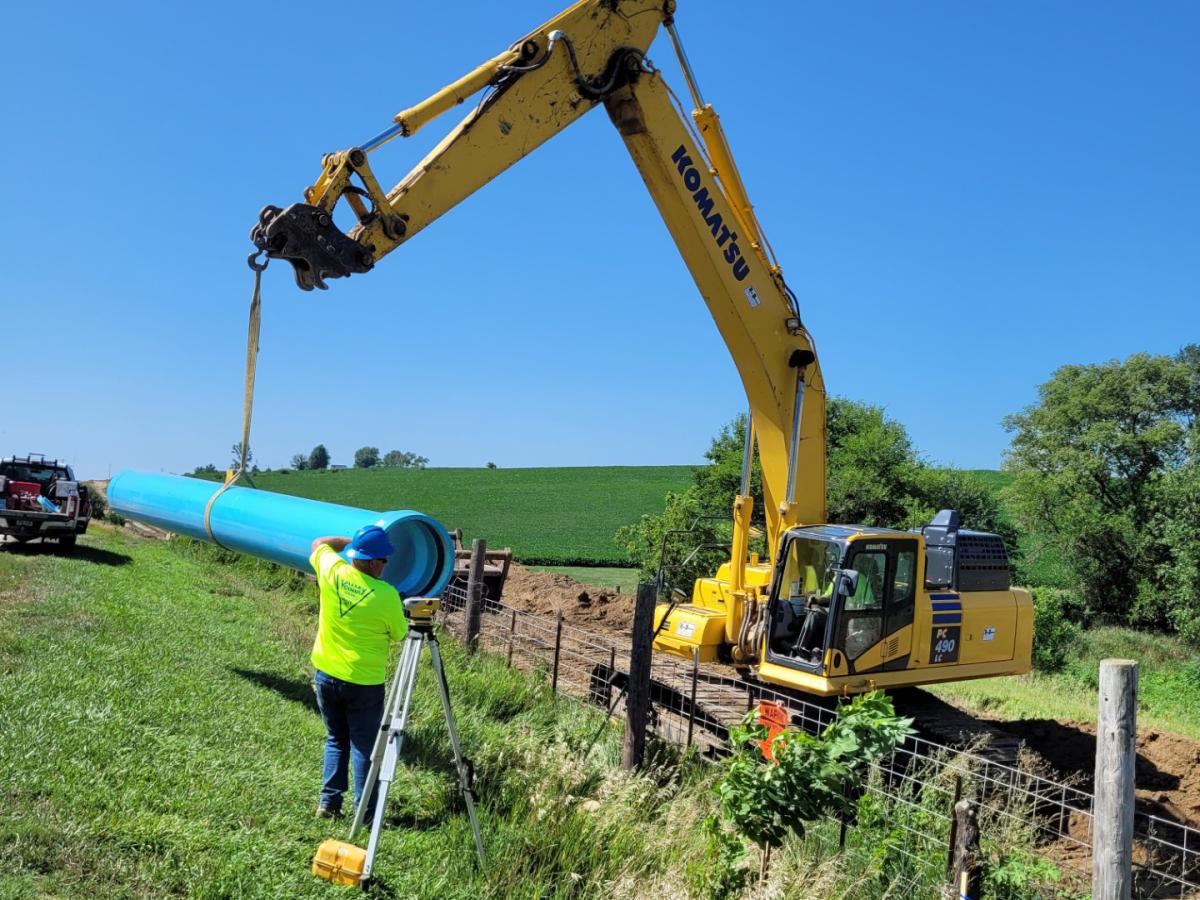
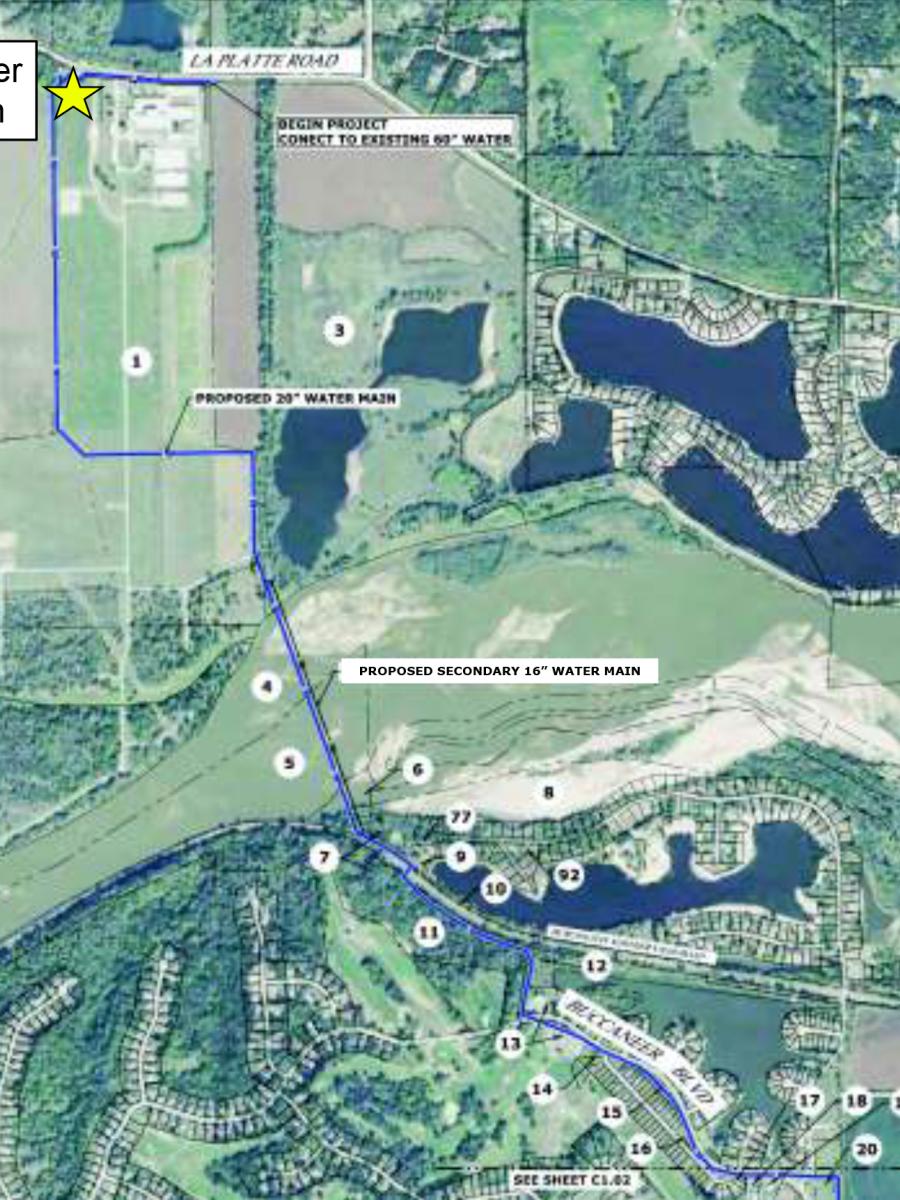
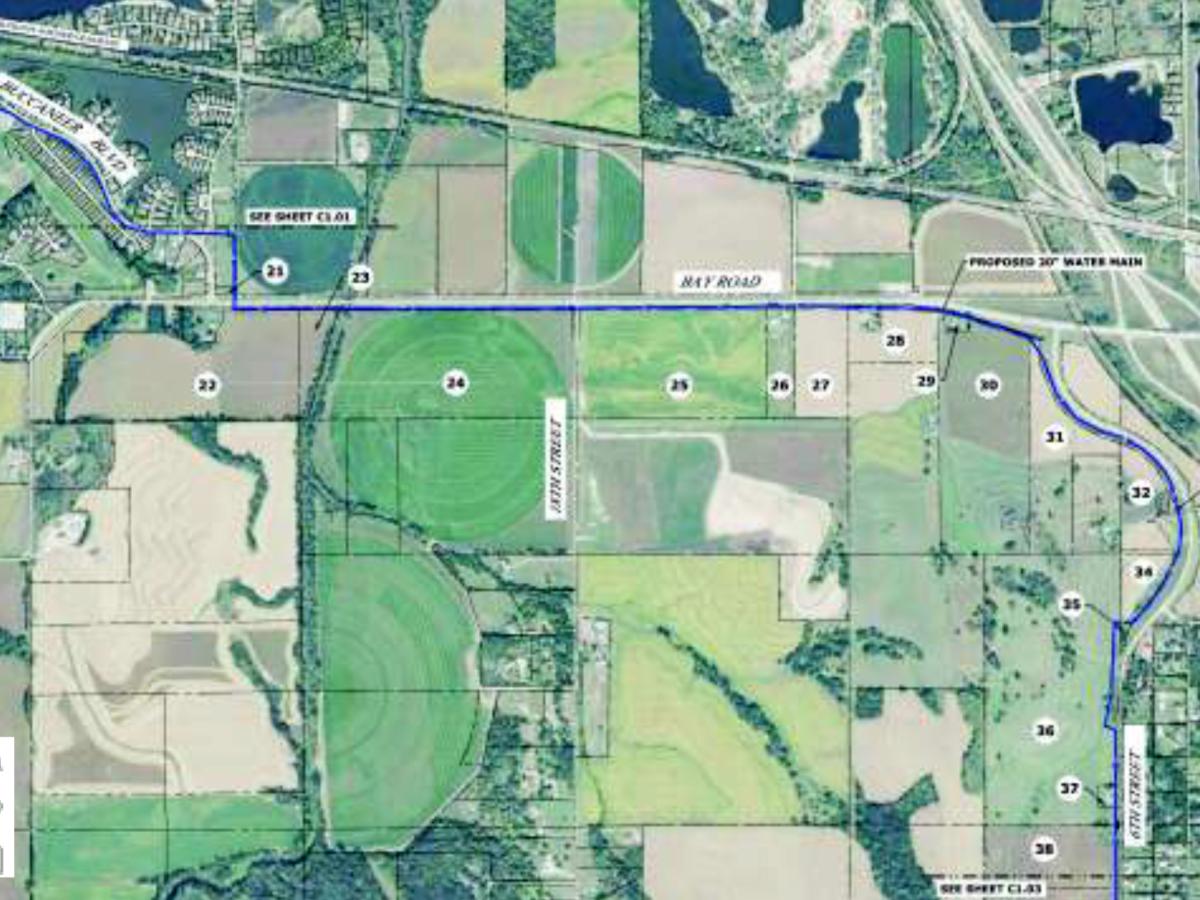
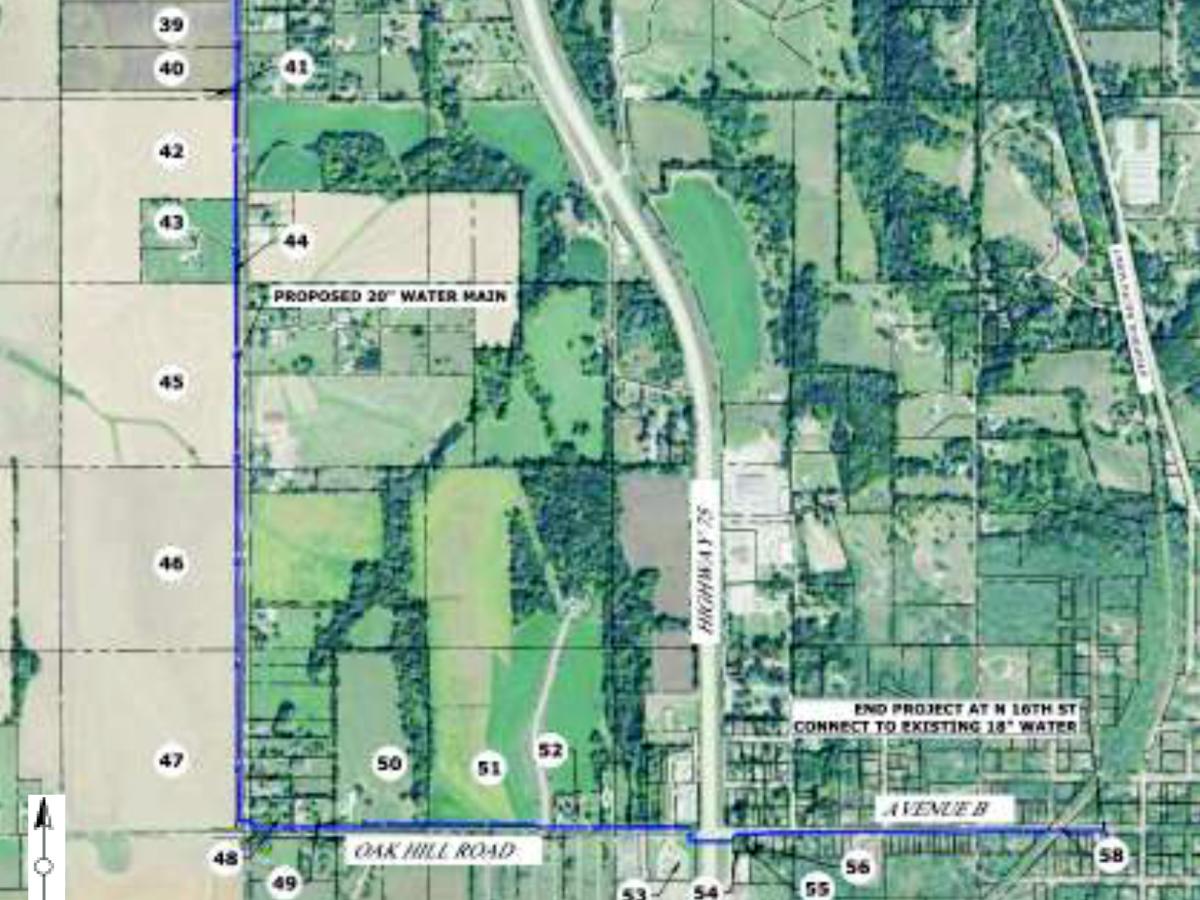
This FEMA-funded $23.5M project involved constructing an approximately 8-mile, 42,240 LF potable water transmission main, primarily 20 in. diameter, from M.U.D.’s South Platte Plant. The transmission main would run northeast along routes including 6th Street, Bay Road, Oak Hill Road, Buccaneer Boulevard, and Avenue B, culminating at a new booster station in Plattsmouth. The alignment navigated suburban neighborhoods and rural-agricultural transition zones in the Missouri/Platte River valley, incorporating key crossings such as the Platte River, Four Mile Creek, railroads, and Highway 75.

The scope focused on replacing aging DI mains and the flood-vulnerable local treatment plant supply, connecting to M.U.D.’s existing PVC system and the new booster pump station. Site-specific considerations included sharing existing 30-ft water main easements along Bay Road, Oak Hill Road, and 6th Street, with Cass County right-of-way permits required. Environmental zones featured corrosive soils, high groundwater, and low-cohesion sandy loam prone to settlement, necessitating materials that could integrate seamlessly without extensions for water main services.

The project encompassed 52 temporary easements across 32 property owners and 29 permanent easements across 14 owners, co-locating with Cass County Rural water easements where possible. Additional integrations involved Avenue B reconstruction, including new street pavement, sidewalks, driveways, 20-in. and 8-in. water mains with services, storm sewers, intakes, sanitary sewer lining, demolition of the existing Avenue B booster station, and relocation of overhead electric and Black Hills Energy gas mains. No water main extensions were included, emphasizing the transmission focus in this flood-prone, river-valley setting. The Westlake Pipe & Fittings product selected was 39,000 LF of DR18 C900 Certa-Lok® restrained joint integral bell (RJIB) PVC pipe, C900 Certa-Lok restrained joint (RJ) PVC pipe, and C900 Integral Bell (IB) PVC pipe.


Solution

Initial actions focused on the open-cut installation along 6th Street, progressing west along Bay Road from the intersection. Trenchless methods, including jack and bore inside casing pipe, were employed for crossings like the Platte River, railroads, Four Mile Creek, Highway 75, and near Treasure Island Road on Buccaneer Boulevard. Traffic control, including alternating one-way lanes and temporary signals, minimized disruptions in suburban areas.
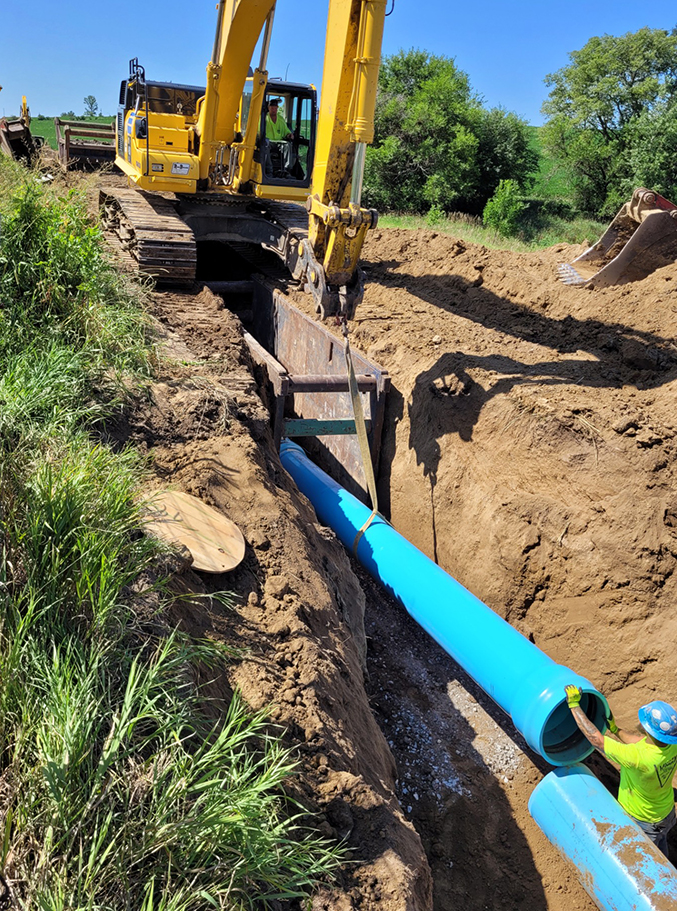
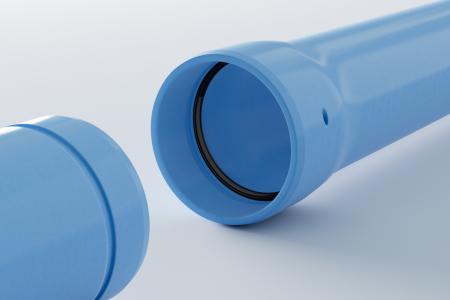
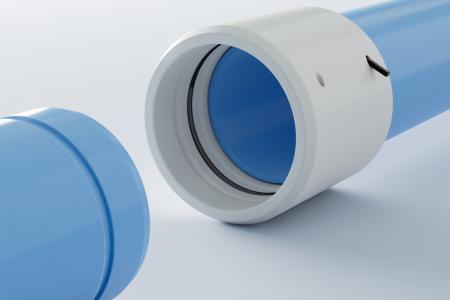
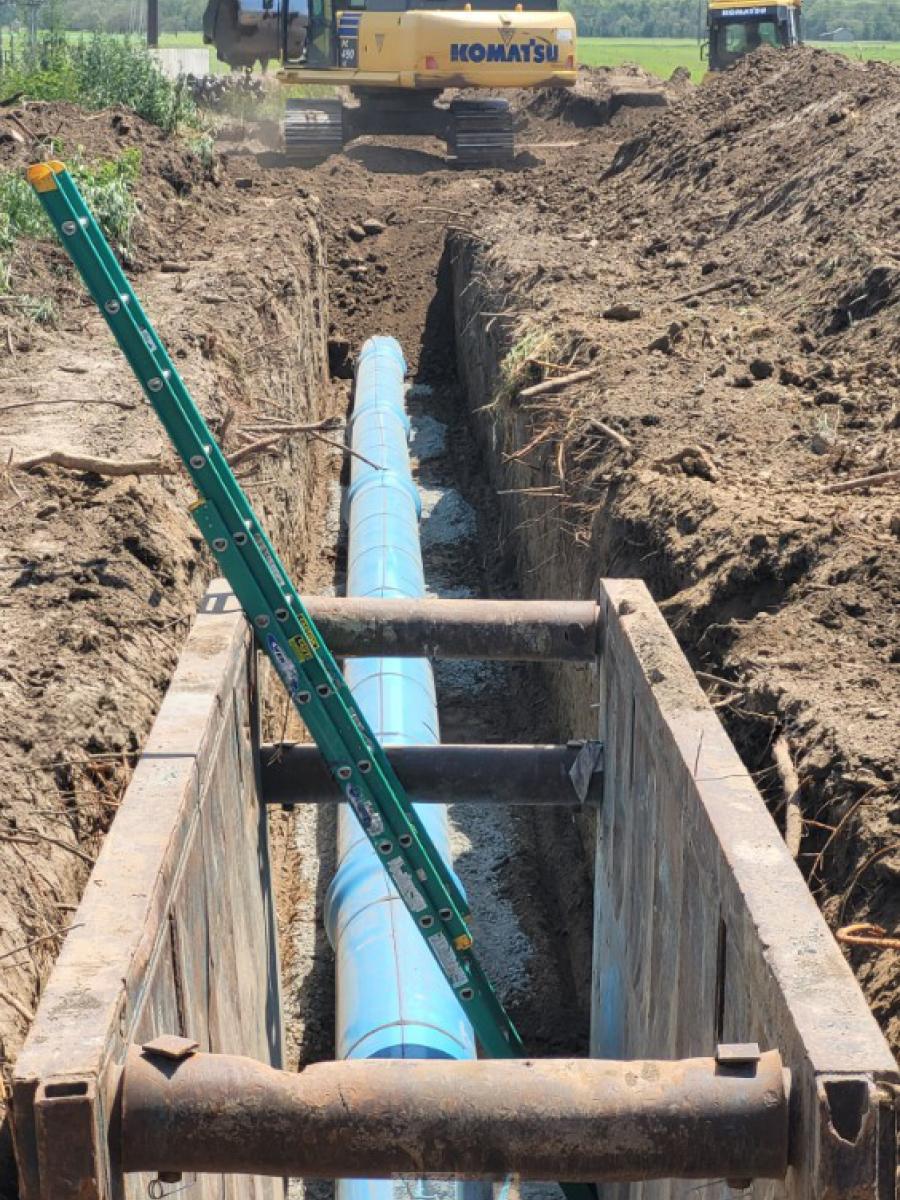
Westlake Pipe’s Certa-Lok restrained-joint PVC pipe emerged as the pivotal solution, used for approximately 39,000 LF total, including:

  • 960 ft of 8-in. DR18 Certa-Lok RJIB
  • 140 LF of 16-in. DR18 Certa-Lok RJIB 
  • 5,480 LF of 20-in. DR18 Certa-Lok RJIB
  • 360 LF of 16-in. DR14 Certa-Lok coupled RJ 
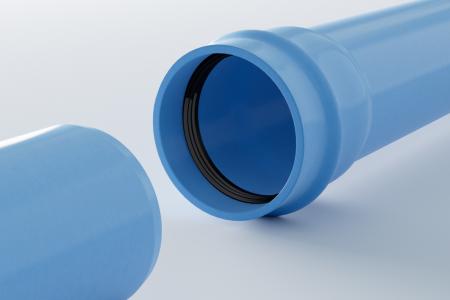
  • C900 IB PVC segments – 100 LF 6-in. DR18, 2,300 LF 8-in. DR18, 29,060 LF 20-in. DR18, and 500 LF 16-in. DR14

The Certa-Lok spline-locked joints assembled in minutes, enabling dramatically faster installation than traditional gasketed C900 or fused HDPE. The spline-lock achieves a strong, secure, 100% restrained, service-ready joint that can withstand axial thrust, soil movement, and pressure surges in the unstable sandy conditions.

“Certa-Lok decreases time. Fusing requires time for heating up and cooling down—about 1.5 hours for fusing, compared to less than 10 minutes to install each stick of Certa-Lok,” said Jeff Grady, vice president, Valley Corp. “Certa-Lok gave us considerable time savings. Fusing requires a long ways to string pipe and increases rigging constraints.”

The higher stiffness of PVC maintained grade during backfill and compaction, eliminating joint disengagement risks, while its corrosion-free inherent properties provide a service life in excess of 100-years; superior to DI's vulnerability to rust or HDPE's flow limitations. Innovations included cartridge-style pullback for trenchless segments and co-location in easements to reduce environmental impact.

By December 5, 2025, crews had completed open cut along 6th Street and Bay Road, trenchless along Bay Road and Buccaneer Boulevard, and site prep at the South Platte Plant for winter. “Certa-Lok made this project go smooth and easy with only taking 2-3 minutes per pipe,”  said John Mahon, superintendent, Valley Corp.

The outcome delivered on-time progress, zero joint leaks, full restraint in challenging soils, and safe, Omaha-quality water ensuring uninterrupted supply resilient to future floods.